


How to dress your baby for sleep by room temperature
It's the question we get most — and rightly so. Dressing your baby right for sleep is one of the biggest factors in resting through the night. Here's our clear guide, by temperature range, so they're neither cold nor sweaty.
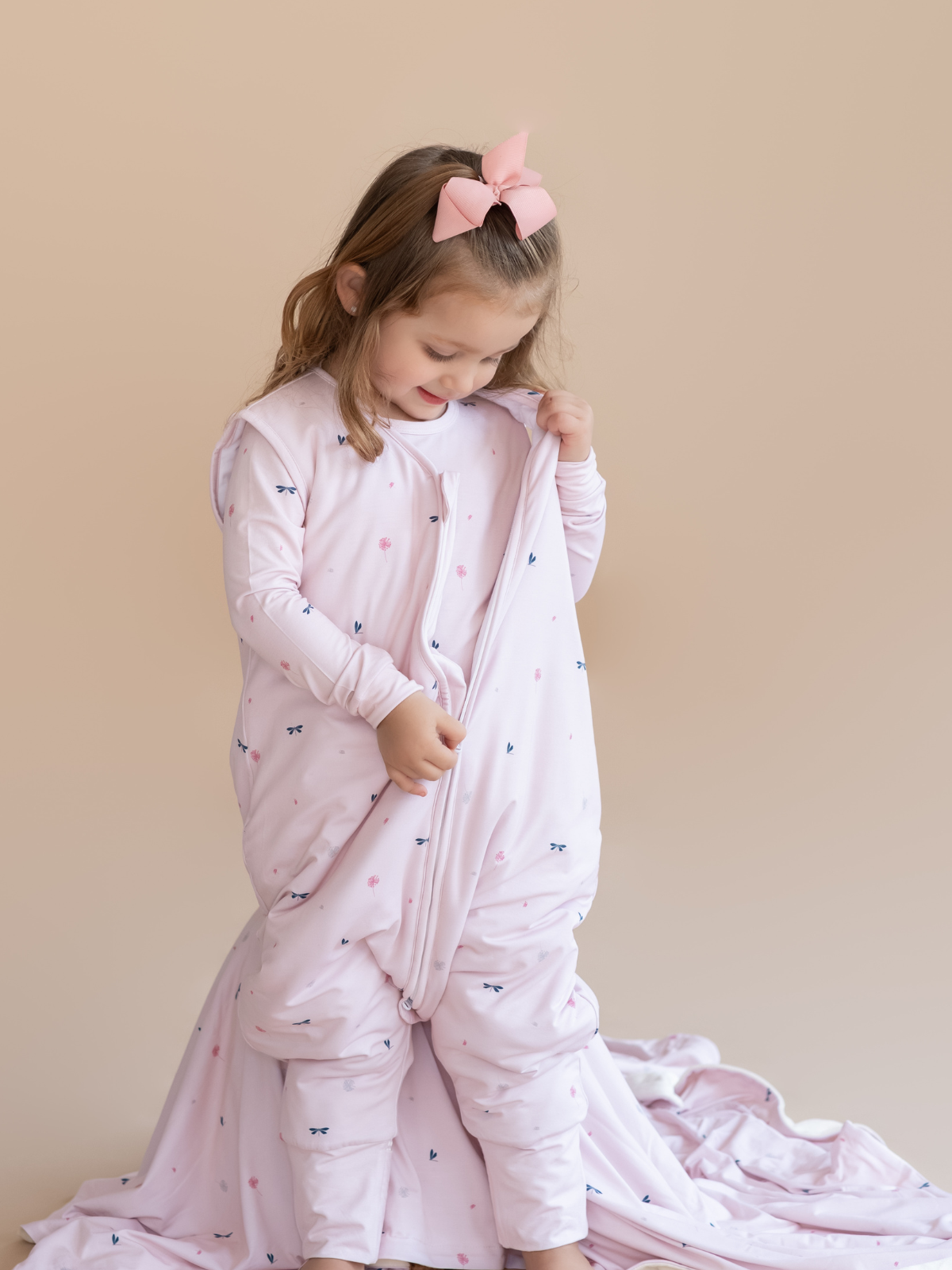
When my first daughter was born, I spent nights touching the back of her neck to tell if she was cold or hot. No one had explained something as basic as how much to put on her for sleep. By the third I had it clear, and that's what I share here: it's not about more layers, but about matching the layers to her room temperature.
The key is to measure well and dress in layers. A baby regulates temperature worse than an adult, so the margin between comfy and uncomfy is narrower. The good news: with a simple reference, you'll get it right almost every time.
First, measure the real temperature
Before deciding what to put on, you need to know what their room reads, not the hallway or living room. Temperature can vary 3-4 C between rooms. A mini room thermometer (5-8 euros) is the best investment you'll make for their nights.
The ideal sleep range paediatricians recommend is between 18 and 21 C. Don't obsess over nailing it: what matters is adjusting the clothing to whatever you have.
The quick guide by temperature range
This is the table we use at home. It assumes a TOG 2.5 sleep bag (the winter one) and you adjust what goes underneath by the thermometer:
Under the bag: long-sleeve bodysuit + long bamboo pajama. Room with no night heating in deep winter.
Under the bag: short-sleeve bodysuit + long bamboo pajama. The ideal range recommended by paediatricians.
Under the bag: just the long bamboo pajama. The most common temperature in city flats.
Switch to a short pajama or bodysuit, and add a light muslin if needed. The TOG 2.5 starts to be too much.
Just a bodysuit or short pajama, no winter bag. At this temperature the TOG 2.5 is too warm: use a loose muslin.
Tip for new parents: check your baby's temperature by touching the back of the neck or chest, never the hands or feet (which are always cooler). If the neck is hot and sweaty, drop a layer; if it's cool, you're good.
Why bamboo makes it easier
Here's the part that really changes nights: the fabric matters as much as the number of layers. Bamboo is thermoregulating — it wicks moisture from the skin and lets it breathe, so it warms when it's cold and disperses heat when the temperature rises.
That means the same pajama works across a wider temperature range than conventional cotton, and your baby sweats less on borderline nights. Less sweat, fewer wakings.
Common mistakes worth avoiding
- Over-dressing just in case. Overheating is riskier than being a touch cool. When in doubt, one layer less.
- Using a loose blanket in the cot. Better a correctly sized sleep bag: it doesn't come off and reduces risks. Save the blanket for the pram or the sofa.
- Trusting your own hands. You might be cold while the baby is perfectly fine. Measure at their neck, not by how you feel.
- Dressing them the same all year. The same room changes temperature between seasons. Check the thermometer, not the calendar.
Frequently asked
The ideal sleep range recommended by paediatricians is between 18 and 21 C. You don't have to nail it: what matters is adjusting the clothing underneath to the temperature you have, using this article's table.
Touch the back of the neck or chest, never the hands or feet (always cooler even when baby is fine). If the neck is hot and sweaty, remove a layer; if it's cool, they're comfortable.
With a TOG 2.5 bag you cover roughly 14 C to 23 C by changing only what's underneath. Above 24 C it's best to drop the winter bag and use a short pajama or a loose muslin.
Dressing your baby right for sleep isn't an exact science, but with a thermometer, a few bamboo layers and the table above, you'll get it right almost every time. And when you do, it shows: in their nights and in yours.